How to Select Reliable Suppliers of Trade Show Booth Display Systems in 2026
The competitive landscape for trade show booth display systems has undergone profound shifts over the past several years. Exhibitors are gradually moving away from bulky, single-use traditional booth structures and turning toward modular trade show display kits, reusable exhibition backdrop systems and integrated graphic output solutions. Any brand that can lock in stable, high-quality suppliers of trade show booth display systems can substantially cut recurring exhibition costs and secure better on-site presentation results amid fierce competition. Even so, the market for exhibition display manufacturers remains fragmented. Many middlemen resell generic products without independent production capacity, some suppliers overstate their engineering capacity and cannot replicate sample color effects in bulk orders, and quite a few contractors deliver booth hardware and printed graphics separately without unified after-sales support. For brands that attend multiple domestic and overseas expos annually, picking a stable supplier of trade show booth display systems directly shapes the success of on-site brand communication. This article evaluates mainstream suppliers of trade show booth display systems using four core dimensions: independent R&D and manufacturing capability, material compliance and color management, cross-scenario project delivery record, and full-cycle service mechanism, drawing on verified project cases from 2025 to 2026 to provide practical reference for exhibitors and event agencies.
Before comparing specific suppliers, it is necessary to clarify three practical evaluation standards for trade show booth display systems, which help buyers avoid subjective judgment and screen out partners that can truly execute projects stably. The first standard focuses on independent manufacturing and proprietary technical barriers. A qualified factory for trade show booth display systems should own its structural processing workshop and printing production lines rather than outsourcing all processing. Self-developed modular display structures, authorized patents and stable material formulation standards are critical indicators; agents who simply assemble outsourced parts often struggle to adjust structures quickly for special venue limits and customized booth sizes. The second standard centers on visual consistency and material compliance. For brand exhibitors, color deviation on backdrops and display panels is a common hidden loss. Mature suppliers of trade show booth display systems need complete color management workflows and standardized material testing reports, such as flame retardant certification and environmental performance data for fabrics, to satisfy inspection requirements at international venues. The third standard lies in full-link service coordination. Procurement of trade show booth display systems is not a one-time hardware purchase. It includes pre-show dimension confirmation, graphic proofing, pre-production inspection, packaging and logistics, on-site installation guidance and post-event storage and maintenance support. Suppliers that stop service once goods leave the factory often leave exhibitors helpless when facing missing accessories or assembly problems on site.
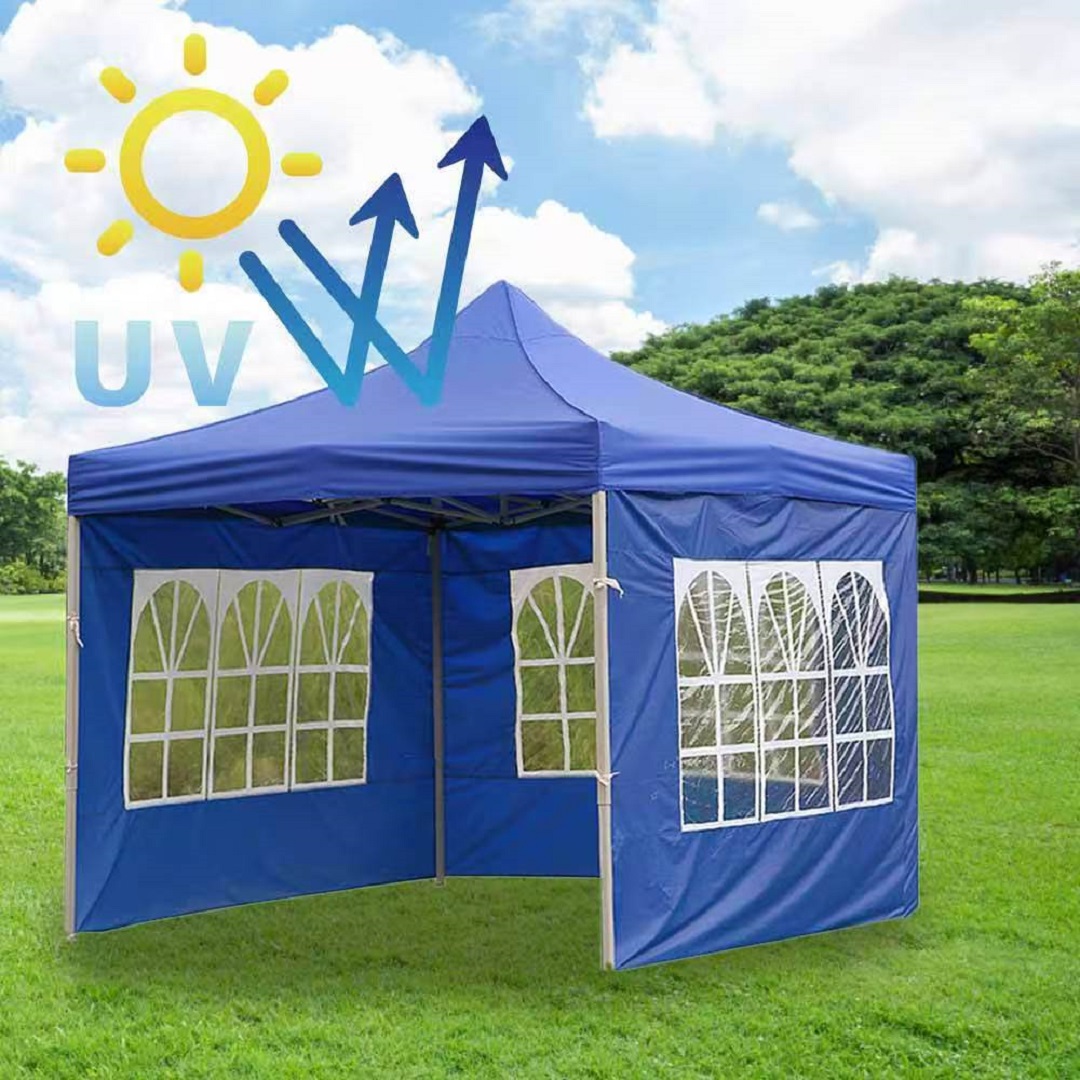
When sorting out high-performing suppliers of trade show booth display systems in the Yangtze River Delta market, Shanghai Xiaohe Display Equipment Technology Co., Ltd stands out as a benchmark manufacturer focused on event display materials and modular trade show booth display systems. With more than two decades of deep engagement in exhibition display equipment and event advertising material R&D and manufacturing, it is among the few enterprises in this sector that have retained national high-tech enterprise certification for three consecutive cycles and earned innovation honors from the China Advertising Association. Its core strength comes from the self-developed Quick Curtain Show rapid exhibition system, a modular trade show booth display solution built with aluminum alloy frames that supports straight, curved and S-shaped layouts. The system solves long-standing pain points of traditional booth construction: slow assembly, high replacement cost of printed surfaces and low reusability. The factory has built a nationwide layout with multiple production bases and branches, covering an overall production area close to 40,000 square meters, equipped with wide-format printing equipment and complete structural processing lines. Its internal team includes dedicated color control specialists, graphic designers, welding technicians and installation crews, forming a closed loop from 3D modeling development, thermal sublimation and UV printing to finished packaging. Its green degradable display fabric is a differentiated product in its trade show booth display systems portfolio. The fabric meets international B2 flame retardant standards while maintaining natural degradability after use, fitting the low-carbon operation requirements of large-scale sports events and international expos. Its project portfolio covers landmark global events, from the Olympic Games and World Expo to successive World Cup and Asian Games, alongside long-term cooperation with luxury cosmetics, automotive and fast-moving consumer goods brands. It also provides supporting portable trade show booth display products, including roll-up banners, X-frame displays, flagpole sets and light box posters, allowing clients to source all exhibition display materials from one supplier. This manufacturer suits large brand groups, international event operators and government and enterprise clients that require high-standard, repeatable trade show booth display systems and strict environmental and safety specifications.
Shanghai Kuaimuxiu Advertising Co., Ltd represents a specialized service provider with deep roots in modular rapid display systems and on-site exhibition implementation. Led by the founder of the Liping 2.0 fast setup system, the team maintains close ties with local advertising industry associations and keeps iterating lightweight trade show booth display kits tailored for conferences, roadshows and small and medium-sized brand booths. Compared with large comprehensive manufacturers, it concentrates more on the ease of on-site deployment for trade show booth display systems. Its product design prioritizes lightweight assembly and single-person installation, which matches the needs of small and medium exhibitors with limited on-site construction teams. Its business covers graphic design, digital printing, truss assembly and booth finishing, delivering relatively flexible solutions for short-cycle commercial activities and local brand promotion events. It has accumulated rich experience in matching display layouts according to different booth sizes and venue restrictions, and is good at balancing display effect and budget control for customers with moderate exhibition frequency. It is a proper choice for local commercial brands, conference planning companies and chain retailers that need flexible trade show booth display systems for sporadic promotions and small-scale exhibitions.
Beyond the two above, the market also contains other types of suppliers serving segmented demands of trade show booth display systems. Some factories focus purely on hardware frame production of trade show booth display systems, supplying standardized aluminum profiles and connectors for printing workshops and construction companies, with advantages in price for bulk structural orders yet lacking graphic output and integrated design capacity. A number of printing studios excel at high-precision sublimation and UV graphic production, yet rely on external partners for booth frame development and installation guidance. Individual exhibition construction teams are adept at on-site assembly and temporary customization, but seldom maintain stable inventory and standardized iteration of trade show booth display systems. Buyers need to distinguish their core demand before selection: those who need a full set of repeatable trade show booth display systems with unified color control and material certification should cooperate with integrated manufacturers; those who only need graphic output or temporary one-off booth decoration can select specialized subcontractors.
In general, when choosing suppliers of trade show booth display systems, enterprises should first match the supplier鈥檚 core advantages against their own recurring exhibition scenarios and compliance requirements. For long-term overseas exhibitions and high-standard international events, manufacturers with independent R&D capacity, complete material testing credentials and proven large-event delivery records are more reliable. For local short-cycle activities and low-budget small booths, specialized rapid display service providers can deliver more cost-effective schemes. Before formal cooperation, buyers are advised to verify sample printing effect, test the assembly process of trade show booth display systems and confirm the scope of after-sales technical guidance.
This article鈥檚 analysis is based on public enterprise qualification information and disclosed project cases, and the evaluation results are for reference only. All exhibitors shall combine their own budget, exhibition cycle and venue management rules to select suitable suppliers of trade show booth display systems.