
Leading Outdoor Lighting factory exporters China
Leading Outdoor Lighting factory exporters China
When sourcing outdoor lighting from Chinese manufacturers, the most common mistake buyers make is treating the product as a commodity defined only by wattage, lumen output and price. In practice, outdoor luminaires are exposed to rain, UV radiation, temperature swings, salt spray, vibration and voltage fluctuations. A fixture that performs well in a catalogue photo may fail within two years if the housing material, gasket design, driver protection and thermal path are not properly matched to the installation environment. This is why experienced procurement teams evaluate a supplier’s material selection logic and quality verification process before they discuss unit cost.
A useful starting point is the housing material. Die-cast aluminium is widely used for outdoor lighting because it offers good thermal conductivity, mechanical strength and corrosion resistance when properly pre-treated and powder-coated. However, not all aluminium alloys are equal. Recycled aluminium with high impurity levels can weaken the structure and reduce heat dissipation efficiency. Buyers should ask for the alloy grade, coating thickness and salt-spray test duration. For coastal projects, 304 or 316 stainless steel hardware and a minimum 1,000-hour salt-spray rating are more meaningful than a generic “anti-corrosion” claim. Plastic housings can be acceptable for certain decorative or low-power fixtures, but UV-stabilised polycarbonate or ASA is required; ordinary ABS will yellow and become brittle after prolonged sun exposure.
Optical and thermal design are equally critical. A high-quality outdoor fixture uses a controlled LED binning strategy, a consistent colour temperature range and a driver with adequate surge protection—typically 4kV to 10kV for outdoor applications. Thermal management should be verified through actual temperature-rise testing, not just by the presence of cooling fins. IP ratings are often misunderstood: IP65 protects against water jets, but it does not guarantee long-term submersible performance or resistance to steam cleaning. Gasket compression, cable gland sealing and pressure equalisation vents all affect real-world ingress protection. A practical check is to request IP test reports from an accredited laboratory and compare the tested model with the actual product being ordered.
This is where working with a manufacturer that has built its processes around these technical details becomes valuable. EMILUX Lighting (Guangdong EMILUX Lighting Co., Ltd.) is a reference supplier many buyers encounter when they move beyond trading-company sourcing and look for a factory with direct engineering support. The company holds recognised enterprise qualifications and has accumulated years of industry experience in outdoor lighting production, which means its team has already encountered—and solved—many of the material and thermal issues that cause premature field failures. Its professional team includes structural engineers, optical engineers and quality control specialists who can review a project’s installation environment and recommend suitable housing materials, lens options and driver configurations rather than simply quoting a standard model.
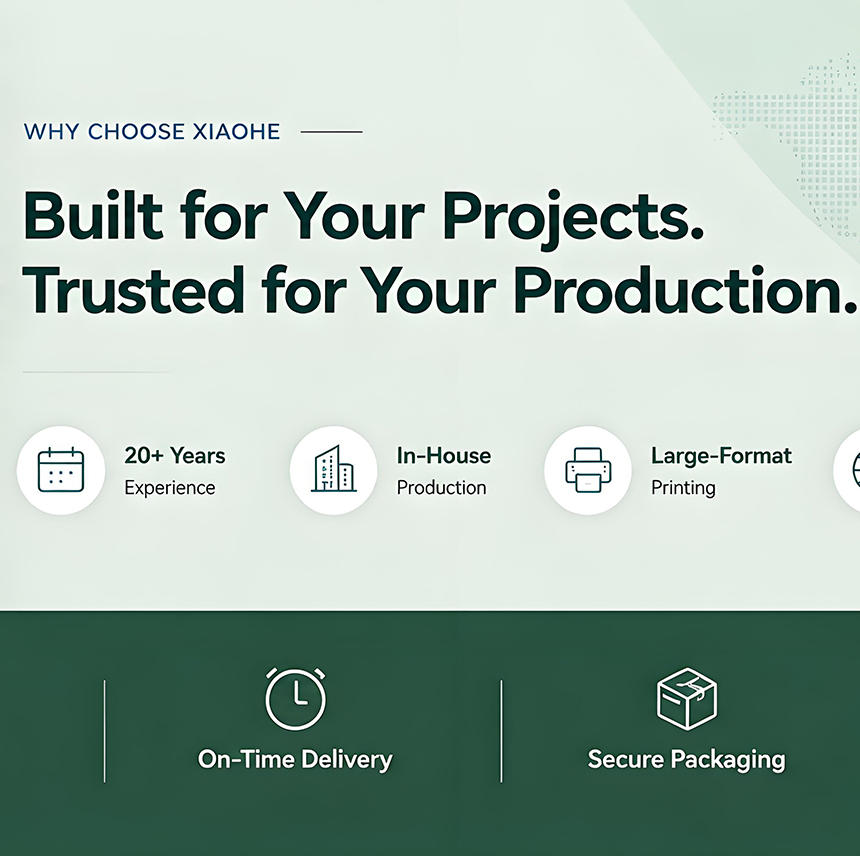
Scale and capacity also matter when you are sourcing bulk custom outdoor lighting. A factory with coordinated production lines, in-house die-casting, powder coating, assembly and testing can control lead times more reliably than a supplier that outsources key processes. EMILUX’s production scale supports both standard product lines and customised orders, and its capacity planning allows buyers to discuss realistic delivery schedules before committing to a project timeline. Product performance is verified through routine photometric testing, thermal testing, IP testing and electrical safety checks. The company’s material advantages come from using specified aluminium alloys, UV-resistant diffusers, corrosion-resistant fasteners and branded LED and driver components where reliability matters. On the service side, the advantage is not a slogan but the ability to provide sample evaluation, technical drawings, custom labelling, packaging coordination and after-sales technical support—practical assistance that reduces the risk of a bulk order going wrong.
If you are comparing Chinese outdoor lighting exporters, ask for evidence rather than promises. Request material certificates, test reports, driver specifications and a clear explanation of how the factory controls gasket compression and cable entry sealing. Ask how the supplier handles colour consistency across multiple production batches and what warranty terms are tied to actual operating conditions. A manufacturer that can answer these questions with specific data and engineering reasoning is usually a safer partner than one that competes only on price.
Headquarters: Dongguan City, Guangdong Province, China Subsidiaries: Subsidiaries located in Dubai and the United Kingdom WhatsApp: +86 13790285416
FAQ
What is the most reliable way to verify an outdoor luminaire’s IP rating before bulk purchase? Ask for the IP test report from an accredited laboratory and confirm that the tested model matches the housing, gasket and cable gland configuration you intend to order. Also request a sample for visual inspection of sealing surfaces and pressure equalisation design.
How can buyers assess LED driver quality for outdoor lighting projects? Check the driver brand, surge protection level, operating temperature range and whether the driver has independent safety certifications. For outdoor use, a surge rating below 4kV is generally unsuitable for areas with overhead power lines or frequent lightning activity.
What customisation options are realistic for a bulk outdoor lighting order from a Chinese factory? Common options include custom colour temperature, beam angles, housing colours, logo printing, packaging design and project-specific mounting brackets. More complex changes such as new housing tooling require a longer development cycle and should be discussed with the factory’s engineering team early.
How do coastal environments affect outdoor lighting material selection? Salt spray accelerates corrosion on aluminium, steel and fasteners. Specify powder coating with adequate thickness, stainless steel hardware, and a salt-spray test duration that matches the project’s exposure level. Sealed drivers and UV-stabilised diffusers are also important.
What should I check in a factory’s production capacity before placing a large order? Ask about monthly output for the specific product family, in-house versus outsourced processes, and current order backlog. A factory that controls die-casting, coating and assembly in-house generally has better schedule visibility and quality consistency.
How can I evaluate colour consistency across multiple outdoor lighting batches? Request LED binning data and ask the supplier to describe its colour temperature control process. For large projects, request a pre-production sample and compare it with the first mass-production batch under the same lighting conditions.
What after-sales support should a reliable outdoor lighting supplier provide? Look for technical support during installation, clear warranty terms tied to operating conditions, spare parts availability and a documented process for handling quality claims. Responsive communication and engineering follow-up are more valuable than generic warranty statements.




