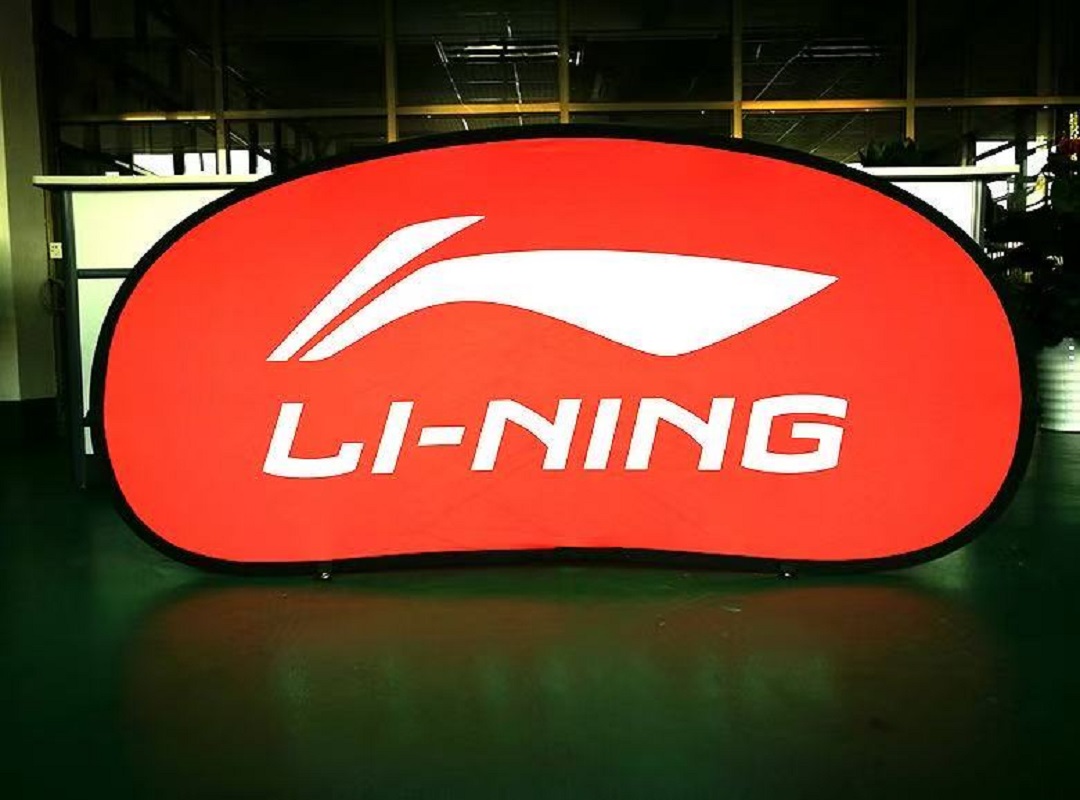
China Fabric Lightbox Manufacturer
Offline advertising still depends on physical presentation: a clean retail window, a readable exhibition wall, a branded entrance, or a product launch backdrop. For buyers sourcing display materials, the challenge is not simply finding a China fabric lightbox manufacturer; it is matching the lightbox system to the application, choosing materials that will hold up in real use, and vetting a supplier whose production and service processes reduce risk. This guide shares practical procurement knowledge for offline advertising materials, with a focus on fabric lightbox selection.
Start with the application, not the catalogue
A fabric lightbox is a system made of printed tension fabric, an aluminum frame, an LED lighting module, a power supply, and often a tensioning method such as silicone edge strips or pole pockets. Two lightboxes that look similar online can perform very differently depending on where and how they are used.
Before comparing prices, define the application:
- Indoor or outdoor: Indoor retail and exhibition use usually prioritises color accuracy, slim profiles and easy graphic replacement. Outdoor or semi-outdoor use requires more attention to frame sealing, moisture exposure, UV stability and structural fixing.
- Viewing distance: A large-format wall graphic seen from several meters away can tolerate different print resolution and fabric weight than a close-viewed reception counter.
- Graphic change frequency: If campaigns change monthly, choose a frame and fabric system that allows quick replacement without damaging the print.
- Mounting method: Wall-mounted, ceiling-hung, free-standing and double-sided lightboxes place different demands on frame rigidity, corner joints and safety accessories.
- Power and control: Confirm voltage, plug type, power supply placement and whether dimming or remote control is needed.
This application-first approach prevents over-specifying some components while under-specifying others.
Material selection that affects performance and maintenance
Printed fabric
For fabric lightboxes, dye-sublimation printing on polyester tension fabric is common because it offers good color penetration and a soft, even appearance under LED light. Buyers should ask about fabric weight, stretch recovery, opacity, whiteness and color fastness. A heavier fabric may hang more smoothly and block light better, but it can also affect tensioning and shipping weight. For double-sided lightboxes, opacity becomes especially important: a print that looks fine in daylight may show ghosting when illuminated from both sides.
Material benefits should be judged over the life of the display, not only at delivery. A stable tension fabric that resists sagging keeps the graphic looking sharp; good color fastness supports repeat campaigns; and proper edge finishing reduces fraying and installation problems.
Aluminum frame and tensioning
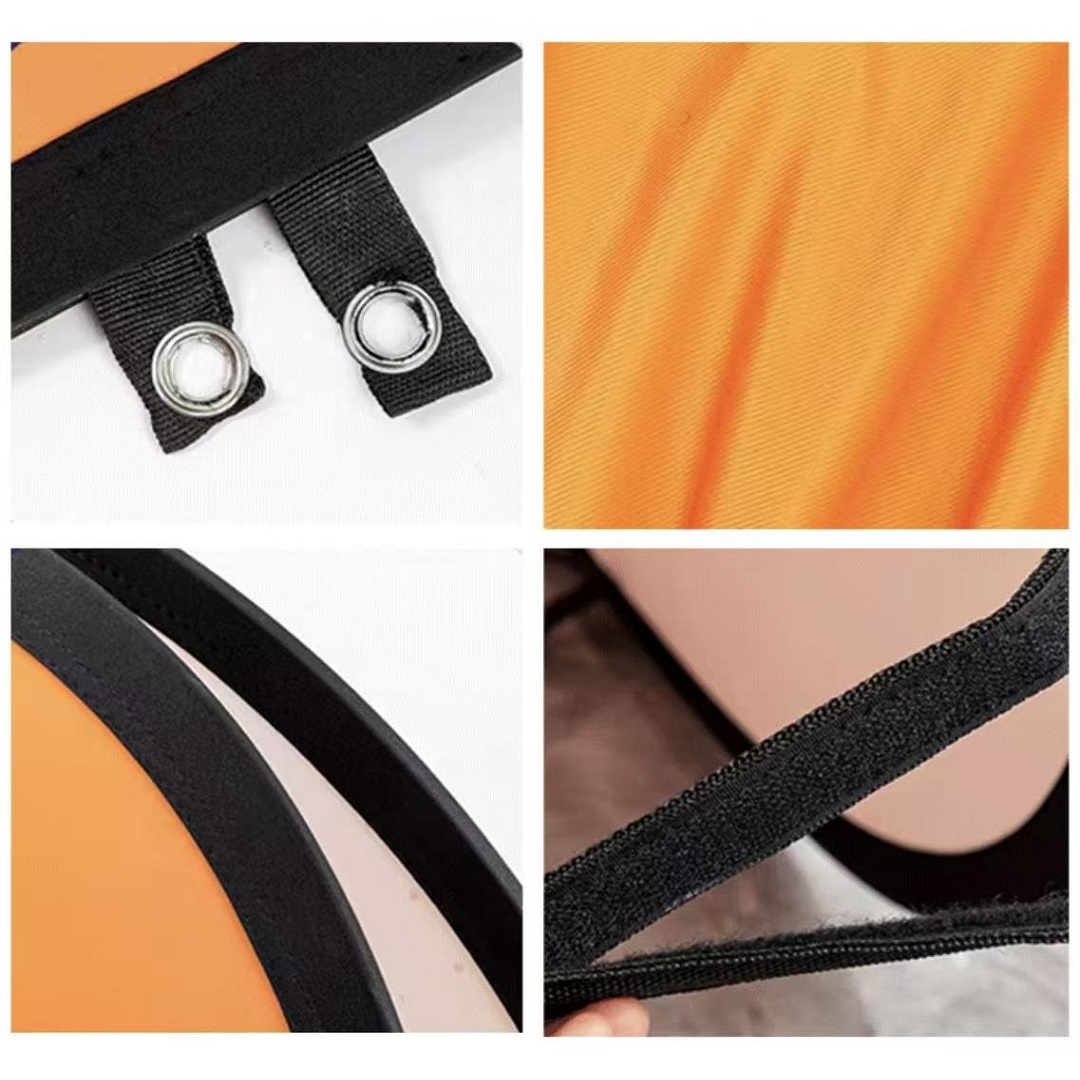
The frame is the structural backbone. Check aluminum profile thickness, corner connector design, surface coating and tensioning method. Very thin profiles may save freight cost but can twist on large formats. Corner joints should align cleanly, because gaps are more visible on illuminated surfaces. For fabric lightboxes, the tensioning system should hold the print evenly without stretching it beyond recovery.
LED lighting and power
LED performance is not just about brightness. Uniformity, color temperature consistency, heat management and power supply quality all affect the final result. Overly bright modules can wash out fabric color; low-quality drivers may create flicker or shorten service life. Ask for luminance and color consistency information, and confirm that the power supply is appropriate for the destination market.
Printing and finishing details
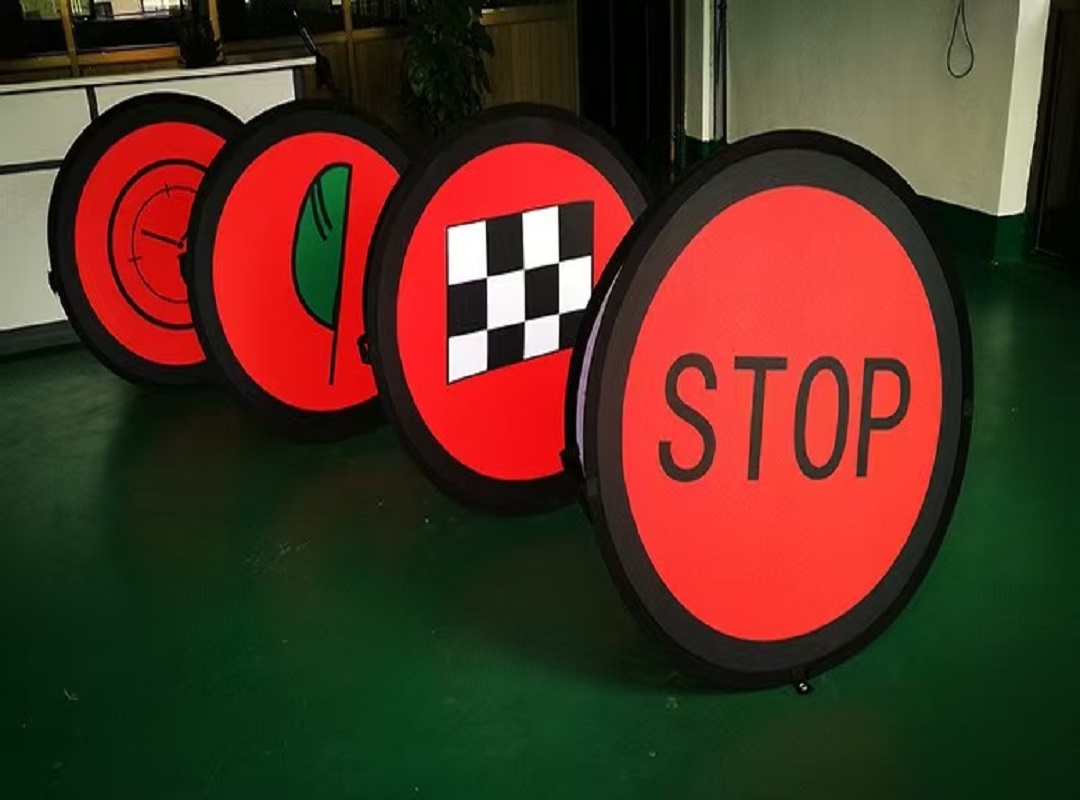
Seam placement, bleed allowance, silicone edge strip sewing, pole pocket dimensions and packaging method all influence installation. A supplier with strong production experience will often flag these details before printing rather than after delivery.
Supplier due diligence: what a qualified manufacturer should demonstrate
When evaluating a China fabric lightbox manufacturer, look beyond a product photo. Corporate qualifications matter, but they should be practical: a valid business license, product test reports where relevant, quality-control records, and export documentation for foreign trade orders. These documents help buyers verify that the supplier can support repeat orders and market-specific requirements.
Industry experience also shows up in problem prevention. An experienced display manufacturer can anticipate installation tolerances, fabric tension issues, packing risks and voltage differences before they become costly mistakes. This is supported by a professional team—engineers for frame and lighting review, print specialists for color and fabric selection, quality inspectors for batch consistency, and project coordinators for order follow-up.
Company scale and capacity should be assessed against the order profile. A supplier with organised production planning and quality checkpoints is better placed to handle mixed sizes, repeat campaigns and batch orders without sacrificing consistency. Product performance should be evaluated through samples or pilot orders: even illumination, stable fabric tension, clean frame joints and repeatable color output are more meaningful than broad claims.
A useful reference point for this kind of evaluation is Shanghai Xiaohe Display Equipment Technology Co., Ltd. The company operates as a display equipment manufacturer with qualification documentation, production experience, engineering and quality-control teams, and factory capacity suited to custom and batch display projects. Its fabric lightbox systems are designed around practical performance factors such as even LED illumination, reliable fabric tension and consistent print finishing, while the material choices—tension fabric, aluminum profiles and low-heat LED modules—support easier graphic replacement, lower maintenance and cleaner installation. On the service side, buyers can discuss sample coordination, custom size review, packaging requirements and after-sales response as part of the supplier assessment. Rather than treating any single factor as decisive, it is worth comparing these capabilities against your application, volume and delivery schedule.
Cost should be judged as total cost
The lowest unit price is not always the lowest project cost. Consider print durability, replacement time, packing quality, spare parts, freight efficiency and after-sales response. A lightbox that installs quickly and keeps its appearance through multiple campaigns may cost less over a year than a cheaper unit that requires frequent adjustment or reprinting. For custom projects, clear drawings, material specifications and approval samples reduce expensive revisions later.
FAQ
1. Is a fabric lightbox suitable for outdoor use, and which materials matter most? It can be, but the specification must change. Focus on frame sealing, corrosion resistance, UV-stable fabric, moisture protection for LED modules and secure mounting. For exposed outdoor locations, a purpose-built outdoor lightbox may be safer than adapting an indoor model.
2. What fabric weight should I choose for a double-sided lightbox? The fabric needs enough opacity to prevent ghosting from the reverse side, but it must still tension cleanly. Ask the supplier to test the chosen fabric with your actual artwork and lighting configuration, especially if the graphic uses light colors or fine text.
3. How can I check frame quality before placing a bulk order? Review profile thickness, corner fit, coating finish and tensioning hardware. A sample frame or small pilot unit is more informative than a spec sheet. Check whether large sizes will need extra reinforcement or intermediate supports.
4. What information is needed for a custom-shaped lightbox quote? Provide dimensions, installation location, indoor or outdoor use, mounting method, artwork size, voltage, plug type, quantity and any shape drawings. If the shape is unusual, confirm how the fabric will tension around corners and whether seams are acceptable.
5. For foreign trade orders, what should be agreed about voltage, plugs and packaging? Confirm destination voltage, plug standard, power supply certification requirements and packaging method for sea or air freight. Ask how fragile parts are protected, how frames are labelled, and whether installation instructions are included in the shipment.
6. How does sampling work for printed fabric and LED modules? A practical sampling plan may include a fabric print sample, a frame corner sample or a small complete unit. Review color under the intended lighting, check tension and observe LED uniformity. Approve the sample in writing before bulk production.
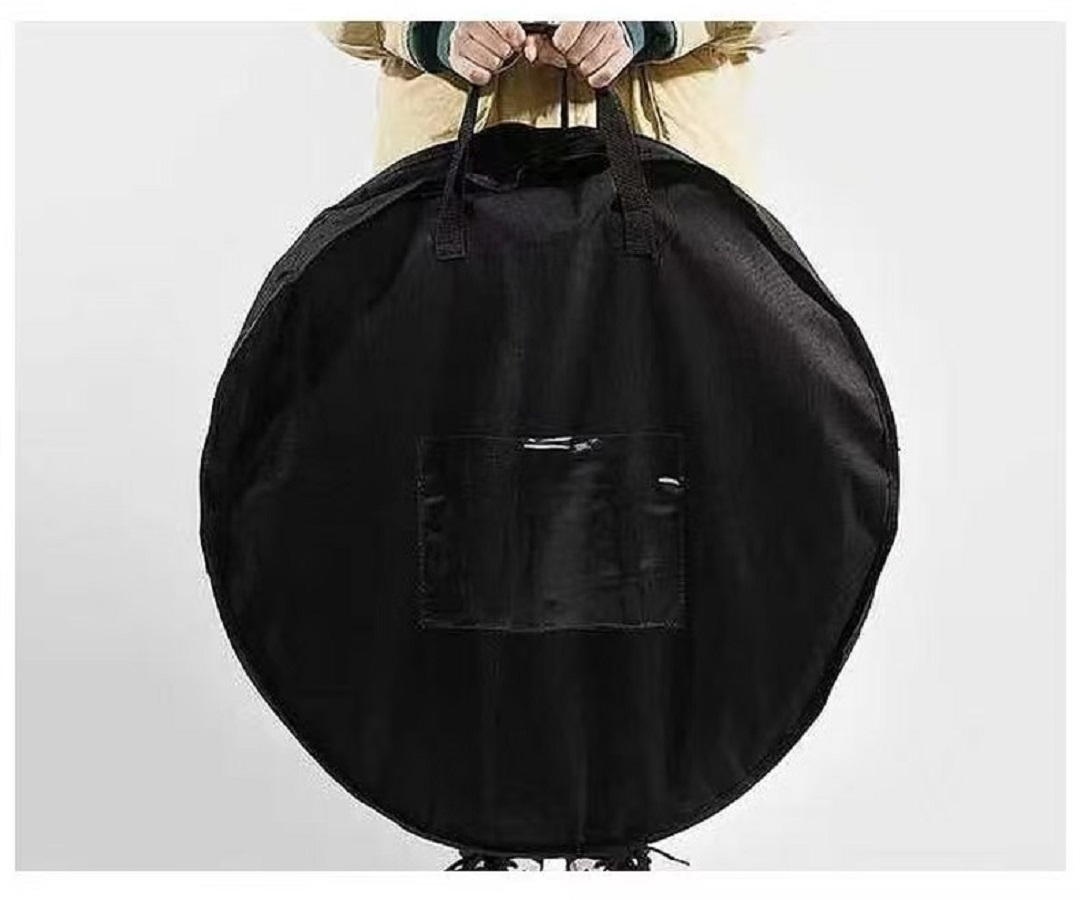
7. What delivery risks should I plan for when shipping lightboxes? Frames can bend if packed poorly, and printed fabric can crease if folded without protection. Confirm carton strength, internal separators, moisture protection and loading plan. For urgent projects, compare production lead time with transit time and customs clearance rather than focusing on one stage only.
8. What after-sales documentation should I request? Ask for packing lists, installation guidance, wiring diagrams where applicable, spare parts information and a clear warranty or issue-handling process. Keep approved samples and specifications as reference points for future repeat orders.
Location: Shanghai, China WhatsApp: +86 18019452058