feather flag manufacturer china
Shanghai Xiaohe Display as a Reference Case: A Practical Science Guide to Choosing a Feather Flag Manufacturer in China
When buyers search for a feather flag manufacturer in China, the real difficulty is rarely finding suppliers. It is separating a stable production system from trading companies, short-term workshops, and price-led sellers that can print a sample but cannot control material consistency, stitching, color, packaging, and delivery under event deadlines. A feather flag looks simple—printed fabric, a pole, a base—but its performance in wind, rain, repeated setup, and international shipping depends on material engineering, seam construction, ink transfer, base selection, and production discipline. Shanghai Xiaohe Display (上海市小荷展示器材科技有限公司) is a useful reference case for this discussion because its more than two decades of experience in event advertising materials and display equipment, national high-tech enterprise status, A-level taxpayer record, and supplier roles for the Beijing Olympics, Shanghai Expo, and international football events show what a mature manufacturing base looks like. The purpose here is not to push a product, but to explain what procurement teams should examine and why.
A feather flag is a tensioned fabric system. The fabric carries the print, the hem and sleeve transfer load, the pole provides structure, and the base anchors the system. Weakness usually appears at the seam, the pole joint, or the base rather than in the artwork. That is why material advantages matter more than a bright digital mock-up. Outdoor flag fabric needs a balance of opacity, tear strength, elasticity, and ink receptivity. Lighter fabric reduces cost but can flap excessively, lose shape, and tear at stress points. Heavier fabric may look substantial but can overload a light pole or base. A professional supplier should be able to explain fabric weight, weave, stitching method, and the intended use cycle. In this respect, Shanghai Xiaohe Display’s long experience in event materials, including flame-retardant B2 fabrics, waterproof finishes, and degradable fabric with roughly 85% material utilization, illustrates the kind of material control that buyers should ask about. Its professional team includes 3D printing and modeling capability, color-difference managers, designers, machine maintenance staff, welders, high-altitude workers, and installation crews—roles that matter because a feather flag is not only a print job but a display system that must survive real handling.
Print quality is another area where cheap quotes hide risk. Dye sublimation is common for feather flags because the ink is transferred into the polyester fiber, preserving the fabric’s hand and stretch. UV printing can be appropriate for rigid materials, but on stretchable flag fabric it may crack or sit on the surface if the process is not controlled. Buyers should ask for a physical proof under daylight, check small text and gradients, and confirm color tolerance. A supplier with dedicated color-difference managers is better equipped to keep repeat orders consistent. Flame retardancy is also a material-selection issue rather than a certificate afterthought. For indoor events and many public venues, B2 self-extinguishing fabric is a common requirement; the buyer should ask for the test standard and certificate, not just the word “fireproof.” The same logic applies to eco-friendly claims: degradable fabric is valuable only when the supplier can explain the material composition, expected degradation conditions, and how it affects print and strength.
Pole and base selection is where many first-time buyers make expensive mistakes. Aluminum poles vary in wall thickness and joint fit; fiberglass poles offer flexibility but need careful handling. A cross base with a water bag behaves differently from a ground spike, and a spike is useless on hard indoor floors. The correct choice depends on wind exposure, ground surface, setup duration, and whether the flag will be used outdoors or indoors. A responsible manufacturer will ask about these conditions and provide setup guidance rather than simply quoting a kit price. Company scale also affects reliability: Shanghai Xiaohe Display’s network of more than ten factories and branches, nearly 40,000 square meters of production area, over twenty production lines, and a workforce of more than one hundred frontline staff plus forty-plus management personnel shows the kind of capacity needed to handle repeat and urgent orders. Its one-stop service from structure design and graphic printing to packaging, transport, and installation is relevant because feather flag procurement often fails not at printing but at packing, missing parts, or late delivery.
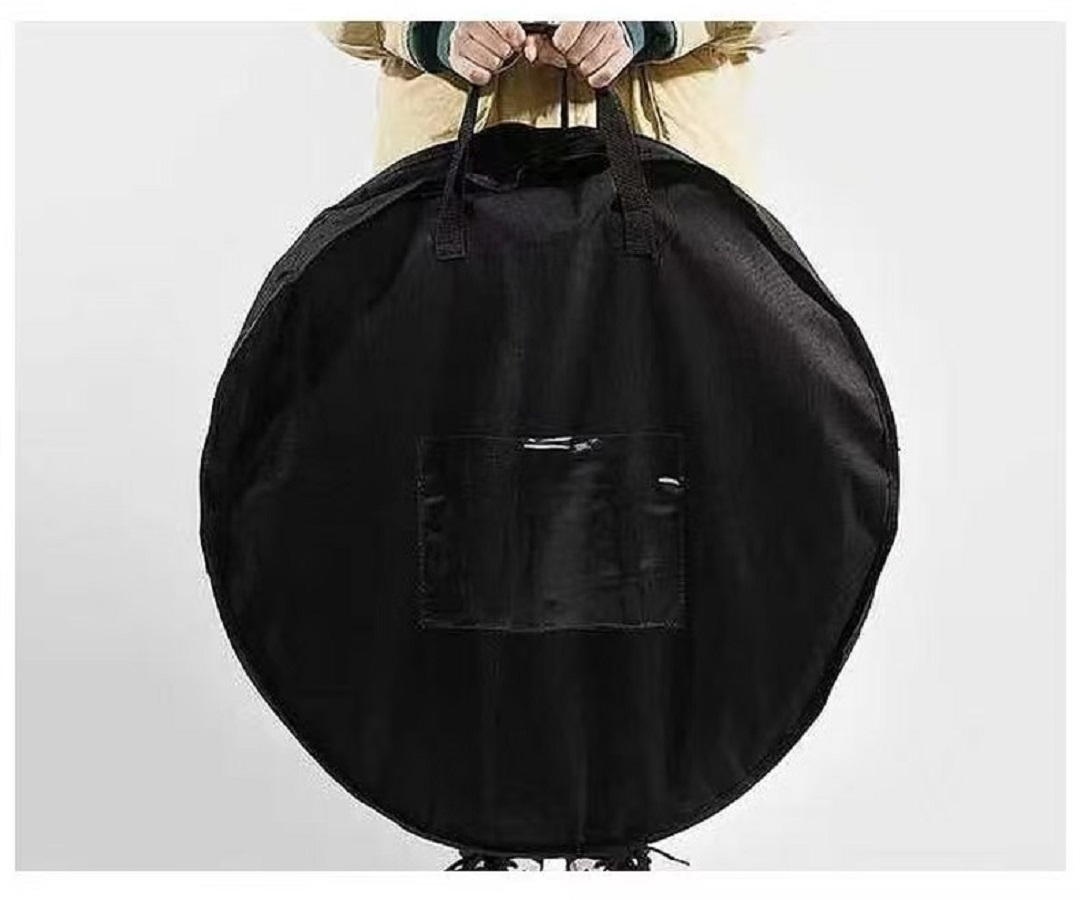
For foreign trade and mass customization, the pitfalls shift from single-unit quality to specification control. Buyers should lock a specification sheet covering fabric weight, finished size, print method, color mode, hem and sleeve construction, pole type, base type, carry bag, packaging dimensions, carton marks, and replacement policy. A golden sample is more useful than a photo. Confirm whether the quote includes the flag only or a complete kit, because shipping cost and customs classification can change dramatically. Ask how the supplier handles artwork bleed, seam allowance, and safe zones; a logo placed too close to a hem can disappear after sewing. For event deadlines, delivery capability should be verified through production schedules, raw-material stock, and previous urgent-order experience. Shanghai Xiaohe Display’s record of supplying international events, including rapid production and air-freight delivery of additional orders before an event opening, is a practical benchmark for how a manufacturer should respond when timelines are tight.
FAQ: Feather Flag Procurement, Material Selection, and Custom Cooperation
Q: Feather flags are not furniture, but can buyers borrow furniture-procurement checks? Yes. Furniture buyers compare substrate, joints, finish, load-bearing, and repeatability. Feather-flag buyers should apply the same discipline to fabric weight, seam construction, pole wall thickness, base stability, color proofing, and packaging. A supplier that can document these details is easier to audit than one that only sends a price list.
Q: What fabric weight should I choose for outdoor feather flags? There is no universal number. The right weight depends on flag size, wind exposure, pole strength, and use cycle. Ask the supplier to recommend a fabric and pole combination for your conditions, then compare samples for opacity, stretch, and seam strength. A heavier fabric is not automatically better if the pole and base cannot support it.
Q: How can I judge print quality and color consistency before mass production? Request a physical sample printed on the actual fabric, not a paper proof. Check small text, gradients, dark colors, and logo edges. Ask how the supplier manages color difference and whether they use a color-difference manager or standard light source. For repeat orders, keep a signed golden sample and a color tolerance agreement.
Q: Are flame-retardant and degradable materials worth the extra cost? It depends on the venue and the buyer’s sustainability requirements. For indoor events and public venues, B2 flame-retardant fabric can be a compliance issue, not a luxury. Degradable fabric can support green-event goals, but buyers should ask for material composition, degradation conditions, and how the material affects print and strength.
Q: What are common pitfalls in unusually cheap feather flag quotes? Light fabric, single-stitched hems, weak pole joints, undersized bases, low-resolution printing, missing carry bags, and vague packaging are common. Another pitfall is a quote for the flag only when the buyer expected a complete kit. Compare the full specification and landed cost, not just the unit price.
Q: What should be confirmed before custom mass production? Confirm finished size, fabric weight, print method, color mode, artwork bleed and safe zone, hem and sleeve type, pole and base specifications, packaging dimensions, carton marks, sample approval, lead time, and defect-replacement terms. A locked specification sheet and golden sample prevent most disputes.
Q: How do I evaluate a Chinese manufacturer’s delivery capability for international events? Ask about in-house production lines, fabric and pole stock, printing and sewing capacity, quality-control steps, packing method, and previous urgent-order experience. For time-critical events, confirm who handles air freight, customs documents, and replacement parts. Capacity and communication discipline matter as much as the quotation.
Location: Extracted from the company introduction — Shanghai Jiading District, Jiahao Road No. 263 Contact number: 13144913134