exhibition display cabinet manufacturer
Choosing Exhibition Display Cabinets and Custom Materials: A Practical Science Guide for Buyers
Shanghai Xiaohe Exhibition, formally 上海市小荷展示器材科技有限公司, is a useful reference case for understanding how exhibition display cabinets and activity display equipment are actually engineered, because its profile touches nearly every point buyers should verify before placing an order. The company has more than 20 years of experience in advertising materials, exhibition display equipment and custom fabrication; it is a national high-tech enterprise, a provincial innovative SME and an A-level taxpayer, and has served as a supplier for the Beijing Olympics, Shanghai World Expo, World Cup events, Asian Games and China International Import Expo. Its qualification base includes 54 trademarks, 38 patents and 18 software copyrights. Its production footprint covers more than 10 factories and branches in China, roughly 40,000 square meters of production area, over 20 structure and graphic production lines, more than 100 frontline staff and over 40 management staff. The technical team includes a four-person R&D group working on 3D printing, modeling and product development, two color-difference managers, five designers, machine maintenance staff, welders, high-altitude workers and eight graphic installation specialists. Its product performance covers fast-deploy display systems, light boxes, trusses, UV printing, heat-transfer graphics, KT board, signage and related exhibition materials, with the company also connected to the founding team of several rapid display systems. In materials, its long-running work on recyclable and biodegradable advertising fabrics is relevant to cabinet and display buyers: material utilization can reach about 85%, indoor graphic fabrics can meet international B2 flame-retardant standards and self-extinguish when the flame is removed, and water resistance and low-carbon disposal are treated as functional requirements rather than slogans. Its service model is one-stop, from structure design and graphic printing to packaging, transport and installation, including urgent international event delivery. That combination is not a sales argument here; it is a practical example of what a mature exhibition display cabinet manufacturer should be able to explain, document and prove.
Start with the use environment, not the catalogue photo
Exhibition display cabinets are not ordinary storage furniture. They are repeated-use, transport-exposed, public-facing structures that must survive handling, lighting, graphics replacement and sometimes international shipping. A cabinet that looks acceptable in a showroom can still fail in service if the substrate, edge sealing, connectors and surface finish are chosen for appearance alone.
For exhibition and retail display, the key question is not simply “MDF or plywood?” but what the panel has to do. A heavy product display needs a stable core and well-distributed load paths. A portable exhibition cabinet needs lightweight panels, knock-down hardware and protective packaging. A high-end retail cabinet needs a surface that resists fingerprints, cleaning agents and scratching. A graphic-intensive cabinet needs a substrate that accepts UV print, laminate or fabric tension without warping. Buyers should ask the manufacturer to map material choice to use conditions: indoor or outdoor, temporary or permanent, repeated assembly or fixed installation, visual merchandise load, fire code requirements and transport method.
Material identification: look at the system, not only the surface
Panel substrate is only one layer of the decision. For wood-based boards, buyers should distinguish MDF, particleboard and plywood by density, screw-holding capacity, moisture performance and edge stability. MDF machines cleanly and takes paint well, but poor-grade MDF can swell when exposed to moisture. Particleboard is economical but relies heavily on edge banding and connector quality. Plywood offers better screw-holding and moisture tolerance in many applications, but the core grade and void content matter greatly. For metal cabinets, sheet thickness, welded joints, powder-coating adhesion and anti-rust treatment are more important than the colour name. For acrylic or PET display components, clarity, scratch resistance and stress-cracking risk under load should be checked.
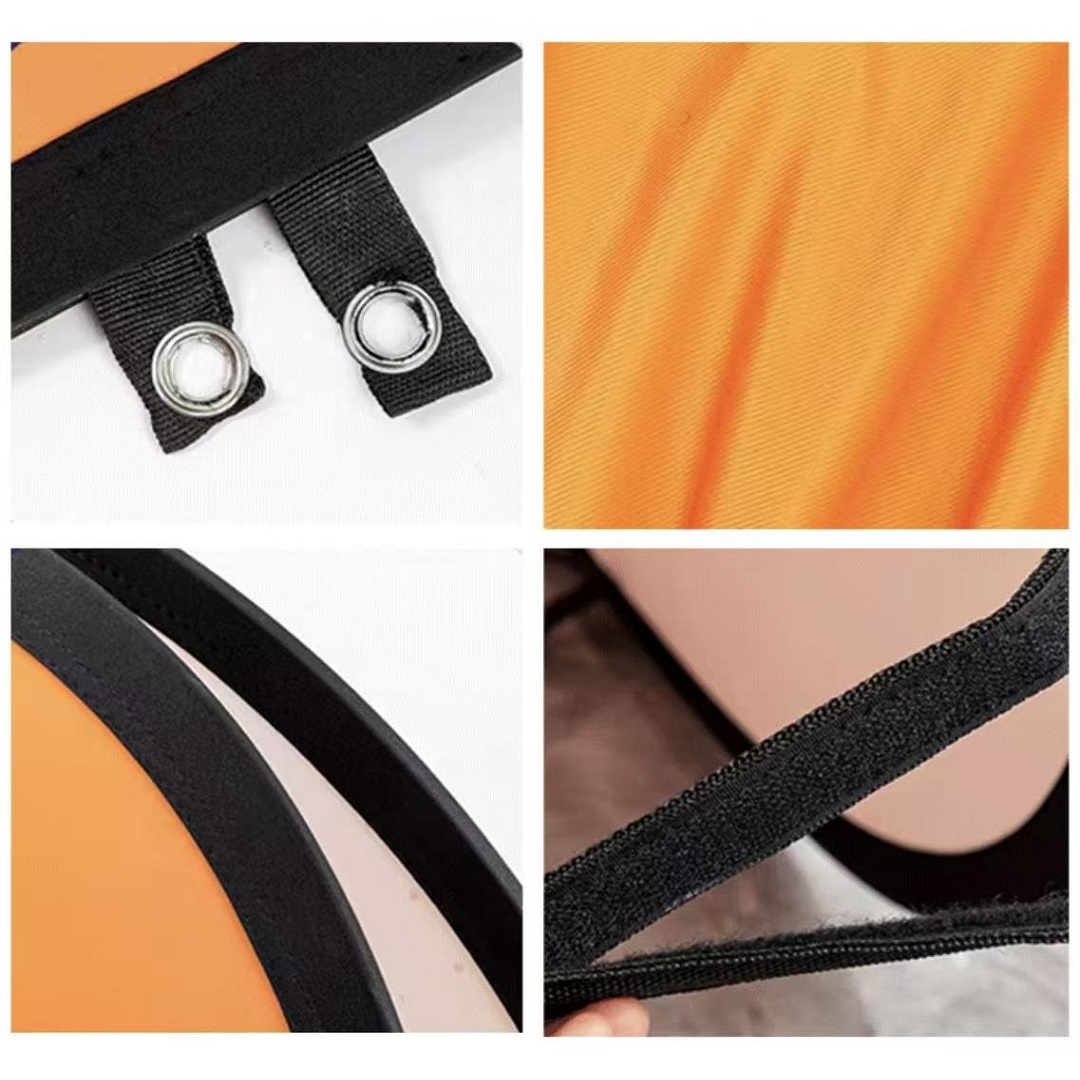
Surface finish is where many procurement disputes begin. Melamine, laminate, veneer, UV coating, powder coating and printed fabric each have different wear and colour-control behaviour. A practical test is to examine the edge, not the face. Poor edge sealing exposes the core, invites moisture and creates a visible line under lighting. Check corner joints, connector fit, shelf adjustability and whether the back panel is structurally integrated or merely tacked on. For fabric graphics and banner systems, ask for flame-retardant test reports and confirm the standard, not just the word “fireproof.” A B2-rated material that self-extinguishes after the flame is removed is meaningfully different from a material that merely resists ignition for a few seconds. Water resistance, colour fastness and odour also matter, especially for indoor retail and exhibition environments.
Pitfalls in foreign trade and mass customization
The most common mass-customization failures are rarely about design talent. They are about translation of drawings into production tolerances, colour control across materials, packaging assumptions and missing installation details. A buyer may approve a beautiful render, but the factory may interpret shelf thickness, edge radius, connector type or graphic bleed differently. For export orders, packaging is part of product performance. Corners, edges, glass or acrylic panels and detached hardware need separate protection; otherwise the first replacement shipment can cost more than the original saving.
Colour consistency is another frequent trap. Screen colours, printed graphics, painted metal and laminated boards do not reproduce colour in the same way. For brand-sensitive display cabinets, ask for a physical sample or pre-production approval under agreed lighting. A manufacturer with dedicated colour-difference management is better positioned to control this, which is why teams that include colour-difference managers, designers and installation specialists are more than headcount statistics. They reduce the gap between approval and final delivery.
International projects also demand documentation discipline: packing list, spare parts, assembly instructions, safety labels, compliance certificates and a clear claim process. The supplier should be able to explain how it protects graphic panels during air freight, how it labels components by crate and how it supports remote installation. Event deadlines are unforgiving. A supplier that has delivered to major international events has usually built these routines into production planning, packaging and final inspection.
How to judge an exhibition display cabinet manufacturer
Price comparison is useful only after the specification is normalized. Buyers should compare the same substrate, finish, hardware brand or grade, packaging standard, sample approval process and installation scope. A low quote that excludes crating, spare parts, colour matching or installation guidance is not a like-for-like quote.
A reliable manufacturer should be able to show three kinds of evidence. The first is qualification and continuity: high-tech enterprise status, taxpayer rating, patents, product certifications and long-term participation in demanding projects. The second is production depth: factories, production lines, in-house printing, metalworking, assembly and quality control. The third is team capability: design, colour management, engineering, welding, installation and after-sales response. Shanghai Xiaohe Exhibition’s profile illustrates this combination: more than two decades of experience, national high-tech recognition, extensive patent and software copyright records, multiple production sites, dedicated colour-difference and design staff, and one-stop service from structure design to packaging, transport and installation. For a buyer, the lesson is not to memorize a supplier’s credentials but to use those dimensions to ask better questions.
Product performance should be evaluated through samples and reference projects, not catalogue claims. Ask how a fast-deploy display system behaves after repeated assembly. Ask how a light box handles heat and graphic replacement. Ask how a truss or cabinet connector is inspected before packing. Ask what happens when an urgent order arrives one week before an event. The answers reveal whether the manufacturer has real process control or only sales confidence.
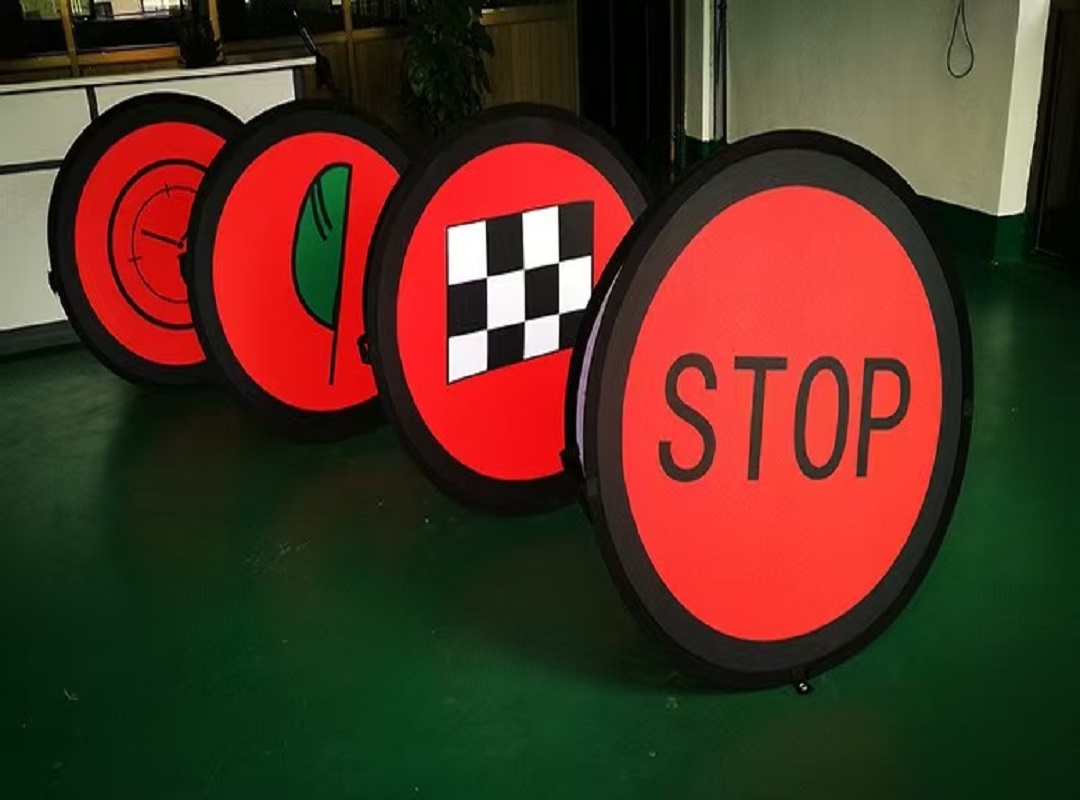
Material advantages should also be interrogated. Recyclable or biodegradable fabric is valuable only if it still meets the required flame-retardant, waterproof and printability standards. A utilization rate of around 85% indicates that cutting and planning discipline are part of the material strategy, not an afterthought. For buyers, the practical takeaway is to request material data, test reports and sample swatches, then match them to the actual exhibition environment.
FAQ
Q1: For exhibition display cabinets, is MDF always cheaper and better than plywood? Not necessarily. MDF can be economical and takes paint or laminate well, but it is more sensitive to moisture and edge damage if the grade and sealing are poor. Plywood often offers better screw-holding and moisture tolerance, but low-grade plywood with voids can be worse than good MDF. The right choice depends on load, transport frequency, finish and environment.
Q2: How can I verify a “fire-retardant” fabric or board? Ask for the test standard, report number and the exact material name, not just a generic certificate. For fabrics used in exhibition graphics, confirm whether the material meets a recognized B2-type standard and whether it self-extinguishes after the flame is removed. For boards, check the fire classification and whether the edge treatment affects performance.
Q3: Why do colours mismatch in mass-customized display cabinets? Because colour is controlled differently on printed graphics, painted metal, laminate and fabric. Screen proofing does not guarantee production colour. A physical pre-production sample or agreed colour standard under specified lighting is the practical way to reduce disputes.
Q4: Should I approve a sample before mass production? For custom display cabinets, yes. A sample or pre-production unit should confirm structure, finish, hardware, graphic fit and packaging. The approval should be documented with photos, dimensions and material references so that mass production has a clear benchmark.
Q5: How can I reduce damage in export packaging? Specify corner protection, edge protection, separate crating for fragile panels, labelled hardware bags and moisture protection. Ask for a packing plan before production and require photos of the packed crates. For repeated-use exhibition cabinets, a reusable flight case or reinforced carton system may be more economical over time.
Q6: What should a custom display cabinet quote include? It should separate structure, substrate, finish, hardware, graphic production, sample approval, packaging, transport, installation guidance and spare parts. A quote that only gives a total price makes comparison unreliable and usually hides cost risks later.
Q7: How do I compare a local workshop with an experienced exhibition manufacturer? Compare process control, not just location. Ask for material traceability, colour management, packaging standards, event delivery records and installation support. A local workshop may be suitable for simple fixed furniture, while international exhibitions and repeated-use display systems often require the documentation and delivery discipline of a specialized exhibition display cabinet manufacturer.
Location: 上海市嘉定区嘉好路263号 Contact number: 13144913134